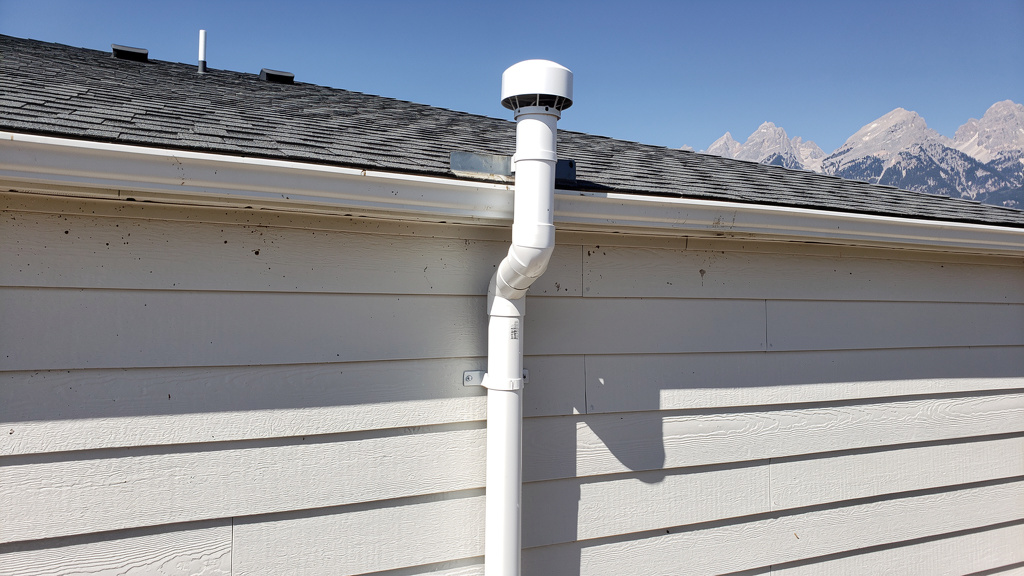
A non-functioning radon mitigation fan requires immediate attention — check for power issues first, then call a licensed professional within 24-48 hours.
Why Fan Failures Matter More in Denver
Denver sits in EPA Zone 1 for high radon potential, making functional mitigation systems critical for health protection (Source: U.S. Environmental Protection Agency). When your fan stops working, radon levels can return to pre-mitigation levels within days, potentially exceeding the EPA action level of 4.0 pCi/L.
Colorado’s geology creates unique challenges for radon systems. The uranium-rich granite and gneissic bedrock throughout the Denver metro area produces consistent radon gas flow that requires continuous mechanical ventilation (Source: Colorado Geological Survey). Unlike naturally low-radon areas where temporary fan outages might not pose immediate risk, Denver homes depend heavily on active mitigation.
The stakes are significant. Colorado averages 6.3 pCi/L indoor radon levels statewide — well above EPA thresholds — with nearly half of tested homes exceeding safe levels (Source: Colorado Environmental Public Health Tracking). A failed fan essentially returns your home to its natural, unmitigated radon state, which in Denver often means dangerous exposure levels within 48-72 hours.
What Are the First Steps When Your Fan Stops?
Check the electrical connection and circuit breaker immediately — many “fan failures” are actually power supply issues that homeowners can resolve in minutes.
Start at your electrical panel. Radon fans typically connect to dedicated 15-amp circuits that can trip during power surges or storms. Reset any tripped breakers and listen for fan operation. Most radon fans produce a low humming sound audible near the exterior discharge point or in the basement near the system pipes.
If power is restored but the fan still won’t start, check the fan’s electrical disconnect switch, usually located near the unit. These safety switches sometimes get accidentally turned off during maintenance or cleaning. Verify the switch is in the “on” position.
Look for obvious damage like loose wiring connections, water intrusion around electrical components, or physical damage to the fan housing. However, don’t attempt electrical repairs yourself — radon fans operate on 120V household current and require proper safety procedures.
Document when the fan stopped working if possible. This information helps professionals diagnose whether the failure resulted from normal wear, power surge damage, or system design issues.
How Long Can You Wait Before Getting Professional Help?
Contact a licensed radon professional within 24-48 hours of discovering fan failure — radon levels begin rising immediately without active mitigation.
Denver’s geological conditions mean radon accumulation happens quickly. Most properly functioning mitigation systems maintain radon levels below 2.0 pCi/L, but without fan operation, levels can climb to 4.0 pCi/L or higher within 2-3 days depending on soil conditions, weather, and home construction.
Emergency service availability varies by season. During winter months, when heating systems create stronger soil gas draw into homes, radon professionals typically offer same-day or next-day service for fan failures. Spring and fall see less urgent scheduling, with 2-3 day response times common for non-emergency repairs.
Some Denver contractors provide temporary solutions while ordering replacement parts. This might include portable fans or system modifications that restore partial mitigation capacity. These interim measures can reduce radon accumulation while permanent repairs are scheduled.
Don’t wait longer than one week without professional assessment. Extended periods without mitigation expose your family to potentially dangerous radon levels, especially during heating season when indoor air pressure differences draw more soil gas into the home.
What Causes Radon Fans to Fail in Denver?
Most fan failures result from normal wear after 10-15 years of continuous operation, though Denver’s altitude and weather extremes can accelerate component deterioration.
Motor bearings represent the most common failure point. Radon fans operate 24/7/365, accumulating over 87,000 hours of runtime in just 10 years. Denver’s temperature swings from below zero to above 100°F stress fan motors beyond typical residential equipment tolerances. Bearings begin producing noise or wobbling before complete failure, providing early warning signs.
Electrical components fail frequently due to power surges common during Colorado’s severe thunderstorms. Lightning strikes and utility grid fluctuations can damage fan motors, capacitors, or control circuits. Many Denver homeowners install surge protectors specifically for radon systems after experiencing storm-related failures.
Ice and snow create unique challenges for Denver radon systems. Exterior discharge pipes can accumulate ice that blocks airflow, causing back-pressure that burns out fan motors. Proper discharge pipe design with rain caps and adequate clearance from roof lines prevents most weather-related failures.
Debris infiltration through improperly sealed suction points can damage fan impellers. Denver’s frequent high winds carry dust and organic matter that enters systems through loose pipe connections or inadequate sealing around foundation penetrations.
How Much Does Radon Fan Repair Cost in Denver?
Professional radon fan replacement in Denver typically costs $300-$800 for the fan unit plus $150-$300 for labor, with total repairs averaging $450-$1,100.
Simple electrical repairs like replacing switches or fixing loose connections cost $150-$250 for most Denver service calls. These account for approximately 30% of reported fan failures and can often be completed within an hour of diagnosis.
Complete fan unit replacement represents the majority of repair costs. Quality radon fans suitable for Denver’s climate conditions cost $200-$500, with higher-capacity models for larger homes or challenging soil conditions reaching $600-$800. Installation labor adds $150-$300 depending on system accessibility and any required electrical work.
Emergency service calls outside normal business hours carry surcharges of $75-$150 in the Denver metro area. However, many homeowners find the peace of mind worth the additional cost, especially with young children or elderly family members in the home.
Extended warranties on replacement fans typically cost $50-$100 and cover parts and labor for 2-5 years. Given Denver’s harsh weather conditions and continuous system operation, many professionals recommend warranty coverage for new installations.
When Should You Replace the Entire System?
Consider full system replacement if your radon mitigation system is over 15 years old, requires frequent repairs, or no longer maintains radon levels below 2.0 pCi/L.
Multiple component failures within 12-18 months often indicate system-wide deterioration. If you’ve replaced the fan, electrical components, and pipes in recent years, a complete system upgrade may be more cost-effective than continued repairs. Modern radon systems offer improved efficiency and reliability compared to installations from the early 2000s.
Inadequate radon reduction performance signals the need for system redesign. If post-repair testing shows radon levels above 2.0 pCi/L, your current system may be undersized for your home’s specific conditions. Denver’s variable soil permeability and complex foundation designs sometimes require higher-capacity systems than originally installed.
Building modifications often necessitate system updates. Major renovations like basement finishing, foundation repairs, or HVAC system changes can affect radon entry points and airflow patterns. Older systems may not accommodate these modifications effectively.
Code compliance issues emerge with aging systems. Current radon testing and mitigation standards include requirements for electrical safety, noise control, and aesthetic considerations that older installations may not meet. Full replacement ensures compliance with current Colorado building codes.
Radon Fan Troubleshooting Guide
| Problem | Possible Cause | DIY Check | Professional Action |
|---|---|---|---|
| No fan noise | Power failure | Check breaker, switches | Electrical diagnosis |
| Loud rattling | Worn bearings | Visual inspection only | Fan replacement |
| Reduced airflow | Blocked discharge | Clear visible obstructions | System pressure test |
| High radon after repair | System inadequate | Verify fan operation | System redesign |
| Frequent failures | Power surge damage | Install surge protector | Electrical system upgrade |
Source: Colorado Department of Public Health and Environment
What Denver Homeowners Should Do Next
Install a continuous radon monitor to detect rising levels immediately when your fan fails. These devices cost $150-$300 and provide real-time radon measurements, alerting you to dangerous levels before they become health hazards.
Establish a relationship with a licensed radon professional before you need emergency service. Many Denver contractors offer annual maintenance programs that include system inspections, cleaning, and priority scheduling for repairs. These relationships ensure faster response times when fan failures occur.
Document your system’s installation date, warranty information, and service history. This information helps professionals diagnose problems quickly and determines whether repairs fall under warranty coverage.
Consider backup power options if your area experiences frequent outages. Battery backup systems or portable generators can maintain radon fan operation during extended power failures, preventing radon accumulation during storms or utility maintenance.
Schedule post-repair testing to verify system effectiveness. Professional radon testing should confirm levels below 2.0 pCi/L within one week of fan restoration, ensuring your family’s continued protection.
FAQ
Q: How quickly do radon levels rise when the fan stops?
Radon levels begin rising immediately and can reach dangerous levels within 2-3 days in Denver homes.
Q: Can I temporarily fix a radon fan myself?
Only check power supply and switches. Never attempt electrical repairs or fan replacement without proper licensing.
Q: Do radon fans need regular maintenance?
Annual inspections recommended, with cleaning and bearing lubrication extending fan life to 12-15 years typically.
Q: Will homeowner’s insurance cover radon fan repairs?
Usually no, unless failure results from covered events like lightning strikes or storm damage.
Q: Should I turn off my radon system during repairs?
Never turn off the system unless instructed by a professional — maintain any possible airflow until repairs complete.
Sources
- U.S. Environmental Protection Agency: Radon mitigation system maintenance guidelines
- Colorado Department of Public Health and Environment: Radon system repair and replacement standards
- Colorado Environmental Public Health Tracking: Colorado radon statistics and geology data
- Colorado Geological Survey: Denver area geology and radon occurrence patterns
RadonSweep connects Denver homeowners with licensed radon professionals who provide emergency fan repair services and system maintenance. Their contractor network includes specialists experienced with Denver’s unique geological conditions and building requirements, ensuring reliable system restoration and ongoing radon protection.