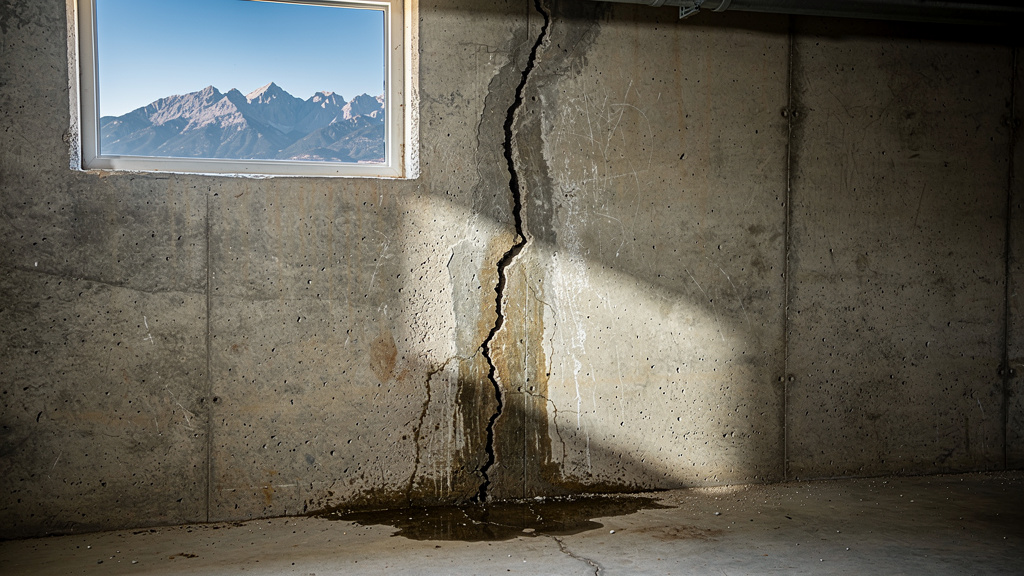
High radon levels after mitigation typically indicate system malfunction, installation problems, or new radon entry points that need professional diagnosis and repair.
Why Post-Mitigation Radon Issues Are Common in Denver
Denver’s complex geology creates unique challenges for radon mitigation systems. The city sits on uranium-rich soils and bedrock that produce persistent radon gas, making proper system design critical (Source: Colorado Geological Survey). Even well-installed systems can face problems over time.
Colorado data shows that 48.3% of homes tested between 2005-2022 exceeded EPA action levels, with many requiring system adjustments after initial installation (Source: Colorado Environmental Public Health Tracking). Denver’s altitude at 5,280 feet doesn’t directly affect radon levels, but the seasonal pressure changes and temperature swings can impact mitigation system performance.
The region’s geology includes granite and gneissic bedrock that naturally releases radon gas continuously. This means mitigation systems must work harder than in other areas to maintain safe levels below 4.0 pCi/L (Source: U.S. Environmental Protection Agency). When systems fail or underperform, radon levels can quickly return to dangerous ranges.
What Causes Mitigation Systems to Stop Working?
Fan failure is the most common reason for continued high radon levels after mitigation (Source: Colorado Department of Public Health and Environment).
Most mitigation systems use an inline fan to create suction that draws radon from beneath your home’s foundation. These fans run continuously, 24/7, leading to eventual motor burnout. Warning signs include unusual noise, vibration, or complete silence from the fan unit. Most residential fans last 10-15 years but can fail sooner in Denver’s variable climate conditions.
Blockages in the system piping create another frequent problem. Debris, ice formation during winter, or small animals can obstruct the suction pipe. The system’s manometer — a small gauge that measures suction pressure — will show reduced or zero pressure when blockages occur.
System disconnection happens when electrical connections fail or circuit breakers trip. Some homeowners accidentally turn off the system during electrical work and forget to restart it. Others discover previous owners disconnected the system to save on electricity costs, which typically run $50-$100 annually.
How Do You Know Your System Isn’t Working Properly?
Check the manometer gauge monthly — it should show consistent pressure indicating proper suction (Source: U.S. Environmental Protection Agency).
Every mitigation system includes a manometer, typically mounted in the basement or garage. This U-shaped tube filled with colored liquid shows the pressure difference the fan creates. If the liquid levels are equal on both sides, your system isn’t working. Normal readings vary by system type but should remain consistent month to month.
Listen for fan operation. The system fan should produce a steady, quiet hum. Complete silence, grinding noises, or irregular sounds indicate problems requiring immediate attention. Most fans are located in attics, garages, or exterior wall-mounted positions for noise control.
Annual testing remains essential even with functioning mitigation systems. The EPA recommends testing every two years minimum, but Colorado health officials suggest annual testing in high-radon areas like Denver (Source: Colorado Department of Public Health and Environment). Continuous radon monitors provide ongoing measurement and alert you to system failures before they become health hazards.
When Should You Call for System Repairs?
Contact a licensed radon professional immediately if post-mitigation test results exceed 4.0 pCi/L or your manometer shows zero pressure (Source: U.S. Environmental Protection Agency).
System repairs typically cost $150-$500 for common issues like fan replacement or pipe clearing. Complete system redesign may be necessary if the original installation was inadequate for your home’s specific radon levels and soil conditions. This happens in about 5% of initial installations according to Colorado mitigation professionals.
Denver’s seasonal temperature swings can affect system performance. Ice formation in exterior pipes during winter or thermal expansion in summer sometimes requires system adjustments. Licensed contractors familiar with Colorado conditions understand these challenges and can prevent recurring problems.
Warning signs requiring immediate professional attention include: radon levels above previous readings, manometer showing no pressure difference, unusual fan noises, or visible damage to exterior system components. Don’t attempt DIY repairs — improper modifications can worsen radon levels or create safety hazards.
What Repair Options Fix High Radon Levels?
System modifications range from simple fan replacement to complete redesign depending on the underlying problem (Source: Colorado Department of Public Health and Environment).
| Problem | Typical Solution | Cost Range | Timeline |
|---|---|---|---|
| Fan failure | Fan replacement | $200-$400 | Same day |
| Pipe blockage | System cleaning/clearing | $150-$300 | 2-4 hours |
| Inadequate suction | Additional suction points | $500-$1,200 | 1-2 days |
| Poor installation | System redesign | $800-$2,000 | 2-3 days |
| Foundation changes | New entry sealing | $300-$800 | 4-8 hours |
Source: RadonVerdict.com, Colorado radon professionals
Fan upgrades to higher-capacity units solve many persistent radon problems. If your original system used an undersized fan, upgrading to a more powerful model often reduces levels significantly. This typically involves electrical upgrades to handle increased power requirements.
Additional suction points help when single-point systems prove inadequate. Some Denver homes require multiple pipes through the foundation slab to achieve proper radon reduction. Licensed contractors can determine optimal placement based on soil conditions and foundation design.
When to Call a Professional
Schedule professional diagnosis if your post-mitigation radon levels remain above 2.0 pCi/L or if system components show signs of failure. Licensed Colorado radon professionals provide same-day service calls to diagnose system problems and typically complete repairs within 24-48 hours depending on parts availability.
Choose contractors licensed through DORA (Colorado Department of Regulatory Agencies) and verify they carry proper insurance coverage. Reputable professionals offer warranties on repair work and provide detailed explanations of system problems and solutions.
Most Denver-area radon professionals offer emergency service for system failures, especially during high-radon seasons. They understand local soil conditions, building codes, and seasonal factors that affect system performance throughout the metro area.
What Homeowners Should Do Next
Test your radon levels immediately if you suspect system problems, even if your last test was recent. Use EPA-approved short-term test kits or continuous monitors to confirm current levels. Document test results and system issues for professional diagnosis.
Contact your original mitigation contractor first — many offer warranties covering system performance for 1-2 years after installation. If the original contractor is unavailable or warranty expired, get quotes from multiple licensed professionals for repair estimates.
Schedule annual system maintenance to prevent future problems. This includes fan inspection, manometer checking, and visual assessment of all system components. Regular maintenance costs $100-$200 annually but prevents costly emergency repairs and ensures continuous protection for your family.
Keep detailed records of all radon testing and mitigation work for future reference and potential home sales. Colorado’s new radon disclosure requirements make this documentation increasingly important for real estate transactions.
FAQ
Q: How quickly can radon levels rise after system failure?
Levels can return to pre-mitigation ranges within 24-48 hours once system suction stops completely.
Q: Do I need to evacuate if my mitigation system fails?
No immediate evacuation needed, but schedule professional repairs within 1-2 weeks for safety.
Q: Can I temporarily fix a broken mitigation system myself?
Only check electrical connections and reset breakers. All other repairs require licensed professional service.
Q: How much do mitigation system repairs cost in Denver?
Common repairs range $150-$500, with complete system redesign costing $800-$2,000 if needed.
Q: Will my homeowner’s insurance cover mitigation system repairs?
Typically no, but check your policy for equipment breakdown coverage that might apply.
Sources
- U.S. Environmental Protection Agency: Radon mitigation system maintenance and troubleshooting
- Colorado Department of Public Health and Environment: Post-mitigation testing and system performance
- Colorado Environmental Public Health Tracking: Colorado radon statistics and testing data
- Colorado Geological Survey: Denver area geology and radon occurrence
- RadonVerdict.com: Denver mitigation system repair costs and contractor information
- Colorado Department of Regulatory Agencies: Licensed radon professional requirements
RadonSweep connects Denver homeowners with certified radon professionals experienced in diagnosing and repairing failed mitigation systems. Their network includes contractors familiar with Denver’s unique geological challenges who provide same-day diagnosis and prompt repairs to restore your family’s protection against dangerous radon exposure.