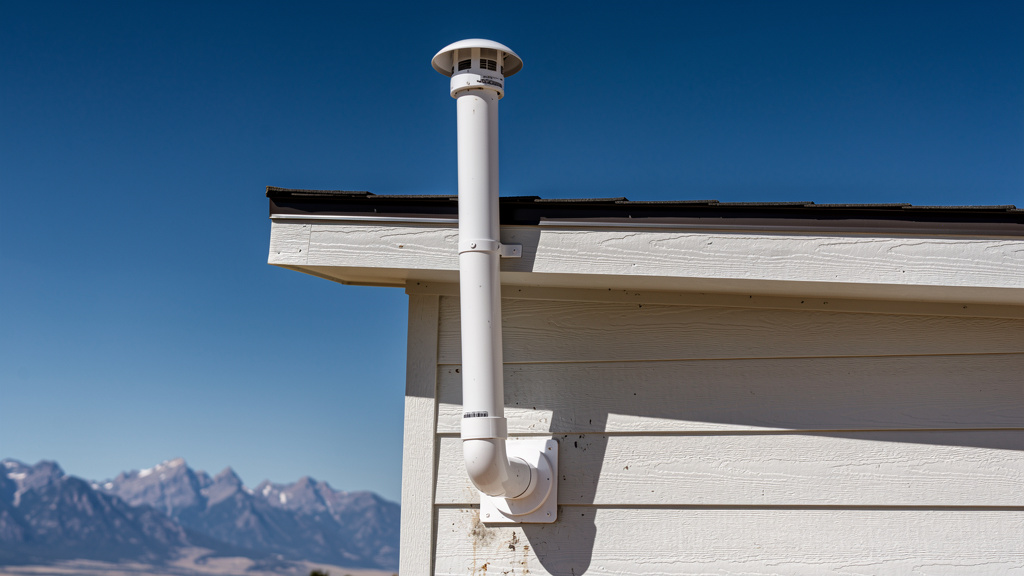
Radon mitigation installation typically takes 4-8 hours for most Denver homes, with post-mitigation testing requiring an additional 48 hours to confirm system effectiveness.
Why Timeline Matters More in Denver
Denver’s geology creates unique installation challenges that can extend standard mitigation timelines. The city sits on uranium-rich Pierre Shale and Denver Formation bedrock, which produces higher radon levels requiring more robust mitigation approaches (Source: Colorado Geological Survey). Nearly 48% of Colorado homes exceed EPA action levels, meaning mitigation demand stays high year-round (Source: Colorado Environmental Public Health Tracking).
Seasonal factors affect scheduling in Denver. Spring and fall bring peak demand as homeowners prepare for real estate transactions or complete post-winter retesting. Colorado’s new radon disclosure law effective August 2023 has increased mitigation requests during home sales (Source: Colorado Environmental Public Health Tracking). Winter installations may take longer due to frozen ground conditions affecting exterior pipe routing, while summer heat can make attic work more challenging for contractors.
Most Denver mitigation companies schedule installations within 1-2 weeks of signed contracts, though emergency situations with extremely high readings can receive same-day or next-day service. The timeline from initial testing to completed mitigation typically spans 2-3 weeks total.
How Long Does System Installation Actually Take?
Standard sub-slab depressurization systems require 4-8 hours for installation in typical Denver homes, depending on foundation type and system complexity.
The process begins with creating a suction point through the basement floor or crawl space. Contractors use core drills to create 3-4 inch holes through concrete slabs, then install PVC piping that routes through the home to an exterior exhaust point. The most time-consuming step involves routing pipes through finished basements or multiple floors to reach the roof line.
Denver’s older homes often present installation challenges that extend timelines. Homes built before 1980 may have irregular foundation layouts, requiring additional suction points or creative pipe routing. Contractors typically encounter delays with heavily finished basements where pipe routing requires careful navigation around utilities and structural elements.
Fan installation and electrical connections add 1-2 hours to the process. Colorado requires dedicated electrical circuits for mitigation fans, and homes without adequate electrical capacity may need panel upgrades that add days to the overall timeline (Source: Colorado Department of Public Health and Environment).
What Affects Installation Time in Denver Homes?
Foundation type significantly impacts installation duration, with crawl space systems taking 3-4 hours compared to 6-8 hours for complex basement installations.
Slab-on-grade foundations common in newer Denver subdivisions offer the quickest installations. Contractors can access the sub-slab area easily and route pipes directly through exterior walls. Full basement systems require more extensive pipe routing through multiple floors to reach proper exhaust heights.
Home size and layout create timing variations. Ranch-style homes under 2,000 square feet typically complete within 4-5 hours, while multi-level homes over 3,000 square feet may require 6-8 hours for proper pipe routing and multiple suction points.
Weather conditions affect exterior work duration. Denver’s unpredictable spring weather can delay roof work for fan installation, while winter installations may require special cold-weather materials and techniques. Most contractors avoid installations during severe weather but can work in light snow or rain conditions.
Permit requirements in some Denver metro jurisdictions add administrative time but don’t typically delay installation once permits are secured.
How Long Before You Know It’s Working?
Post-mitigation testing requires 48 hours minimum after system activation to verify effectiveness, though most contractors recommend waiting one week before testing.
The EPA requires post-mitigation testing within 30 days of system activation using the same testing protocols as initial radon measurement. Short-term tests using charcoal canisters or electronic monitors provide results within 2-7 days after the testing period (Source: U.S. Environmental Protection Agency).
Continuous radon monitors offer real-time verification of system performance. These devices, costing $150-$300, show radon level reductions within hours of system activation. Many Denver homeowners invest in continuous monitors for ongoing peace of mind, especially in areas with consistently high radon levels that require mitigation.
System optimization may require additional time if initial post-mitigation tests show inadequate reduction. Contractors typically guarantee reduction below 4.0 pCi/L, with most achieving levels below 2.0 pCi/L. Fine-tuning fan speeds or adding additional suction points can extend the process by several days.
Professional contractors include post-mitigation testing in their service packages, scheduling tests automatically after appropriate waiting periods to ensure proper system performance.
What’s the Complete Timeline From Start to Finish?
The complete radon mitigation process spans 2-4 weeks from initial high radon test results to confirmed system effectiveness.
Week 1 typically involves contractor consultation and system design. Licensed contractors assess home layout, foundation type, and optimal fan placement. Most Denver contractors provide written estimates within 24-48 hours of site visits, including system specifications and installation timeline.
Week 2-3 covers installation scheduling and completion. High-demand periods during spring home buying season may extend scheduling to 2-3 weeks, while off-peak winter months often allow next-week installation. The actual installation day requires homeowner presence for access and final system explanation.
Week 3-4 includes post-mitigation testing and verification. Contractors typically schedule follow-up tests 1-2 weeks after installation to allow proper system operation. Results confirmation completes the mitigation process, with documentation provided for real estate transactions or personal records.
Emergency situations with radon levels above 20.0 pCi/L receive expedited service. Most Denver contractors maintain capacity for same-day or next-day emergency installations, though post-mitigation testing timelines remain the same for accuracy.
Denver Radon Mitigation Timeline Comparison
| Project Phase | Typical Timeline | Rush Service | Complex Installation |
|---|---|---|---|
| Initial Consultation | 1-3 days | Same day | 1-5 days |
| System Installation | 4-8 hours | Same day | 8-12 hours |
| System Activation | Immediate | Immediate | Immediate |
| Post-Testing Wait | 48 hours min | 48 hours min | 48 hours min |
| Results Available | 2-7 days | 2-7 days | 2-7 days |
| Total Timeline | 2-3 weeks | 1 week | 3-4 weeks |
Timeline assumes standard sub-slab depressurization system with professional installation
When to Call a Professional Immediately
Contact licensed radon contractors immediately for test results above 20.0 pCi/L, which require emergency mitigation within weeks rather than months.
Warning signs demanding urgent professional attention include test results showing extreme elevation, family members experiencing persistent respiratory symptoms, or real estate transaction deadlines requiring quick mitigation completion. Colorado’s radon disclosure requirements mean buyers often request mitigation completion before closing (Source: Colorado Environmental Public Health Tracking).
Don’t delay professional consultation for levels between 4.0-8.0 pCi/L. While not emergency situations, these readings require mitigation within months for health protection. Professional contractors can provide accurate timeline estimates based on your specific home characteristics and current scheduling availability.
Seasonal demand affects response times significantly in Denver. Schedule mitigation consultations early during peak spring and fall periods to avoid delays. Many contractors offer expedited service for additional fees when timeline constraints require faster completion.
What Homeowners Should Do Next
Begin by understanding your specific timeline requirements, especially if selling your home or managing health concerns that make quick mitigation essential.
Contact multiple licensed radon contractors for timeline estimates and availability. Ask specifically about current scheduling, expected installation duration for your home type, and post-mitigation testing procedures. Verify contractor licensing through Colorado DORA and confirm they carry required professional liability insurance.
Prepare your home for installation by clearing basement areas where contractors will work and ensuring electrical access for fan installation. Schedule installation during periods when you can be present for the full duration, as contractors typically require homeowner availability for system explanation and final walkthrough.
Consider investing in continuous radon monitors for ongoing system performance verification. These devices provide immediate feedback on system effectiveness and early warning if maintenance becomes necessary. Regular monitoring helps ensure your mitigation system continues protecting your family’s health long-term.
For comprehensive guidance on what Denver homeowners should know about radon testing, including pre-mitigation testing protocols and result interpretation, professional testing services provide the foundation for successful mitigation planning.
FAQ
Q: Can radon mitigation be installed in one day?
Yes, most Denver homes complete installation in 4-8 hours, though post-testing requires additional 48+ hours.
Q: What delays radon mitigation installation?
Weather, permit requirements, electrical upgrades, and complex foundation layouts can extend standard timelines.
Q: How soon can I test after mitigation?
Wait minimum 48 hours after system activation, though one week waiting period provides more reliable results.
Q: Do I need to leave during installation?
No, but expect noise from drilling and some dust. Contractors require access to all system areas.
Q: What if post-mitigation test shows high radon?
Contractors guarantee reduction below 4.0 pCi/L and will adjust systems at no additional cost.
Sources
- Colorado Geological Survey: Denver geology and radon occurrence
- Colorado Environmental Public Health Tracking: Radon disclosure requirements and statistics
- Colorado Department of Public Health and Environment: Mitigation electrical requirements
- U.S. Environmental Protection Agency: Post-mitigation testing protocols and timelines
RadonSweep connects Denver homeowners with experienced radon professionals who understand local installation challenges and provide realistic timeline estimates. Their contractor network includes certified installers familiar with Denver’s geological conditions and building requirements, ensuring efficient mitigation completion within projected timeframes.