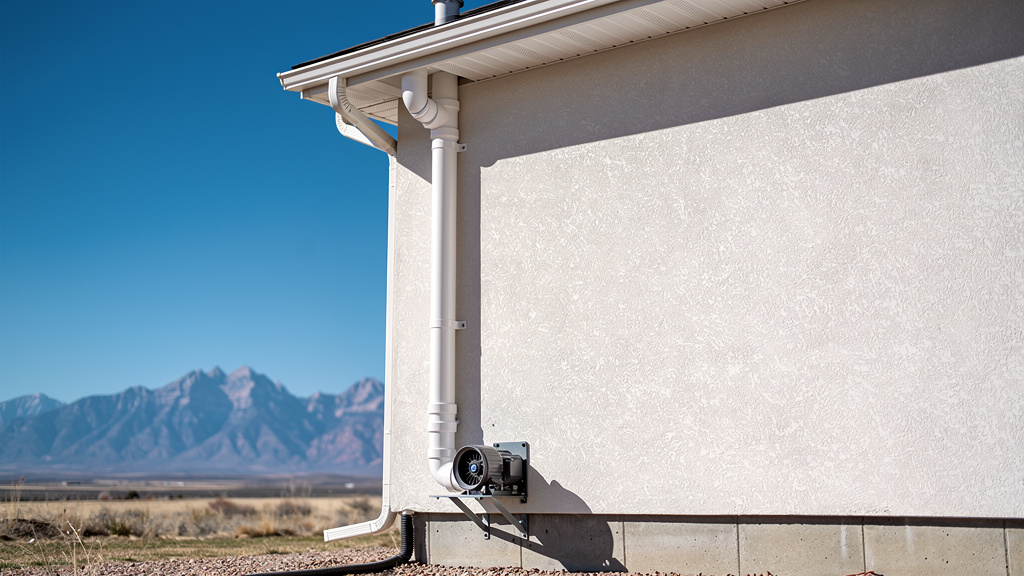
Yes, radon mitigation systems can fail in Denver due to fan degradation, foundation shifts, or blocked pipes, though proper maintenance prevents most failures.
Why System Failures Matter More in Denver
Denver’s challenging geology makes reliable mitigation systems crucial. Colorado’s uranium-rich granite and gneissic bedrock produces persistent radon gas, with 48.3% of homes tested between 2005-2022 showing elevated levels above 4.0 pCi/L (Source: Protect Environmental).
The city’s extreme temperature swings — from below-zero winters to 90°F summers — stress system components differently than moderate climates. Colorado’s cold winters create strong vacuum effects when homes are sealed for heating, increasing the workload on mitigation fans (Source: Better Colorado Radon).
Foundation movement from Denver’s clay soils can crack pipes or shift sealing materials. The Rocky Mountain region’s freeze-thaw cycles cause ground movement that can compromise sub-slab depressurization systems over time.
Since Colorado requires property owners to reduce radon levels below 4.0 pCi/L within six months of confirmed elevated results under Senate Bill 23-206, system reliability isn’t optional (Source: Protect Environmental). A failed system means health risks and potential legal obligations.
What Causes Radon Systems to Fail?
Fan failure represents the most common system breakdown, typically occurring after 7-10 years of continuous operation with replacement costs around $180-$350 (Source: Colorado Hazard Control).
Mitigation fans run 24/7 in all weather conditions. Denver’s altitude at 5,280 feet means lower air density, forcing fans to work harder to move the same volume of air. Temperature extremes from -20°F to 100°F stress motor bearings and electrical components.
Foundation shifts rank as the second leading cause of system failure. Colorado’s expansive clay soils shrink and swell with moisture changes, potentially cracking foundation slabs or shifting pipe connections. Even small foundation movements can create air leaks that reduce system effectiveness.
Blocked or damaged pipes also compromise performance. Debris, insulation, or construction materials can obstruct suction pipes. Exterior pipe sections may crack from freezing temperatures or impact damage. Warning devices help detect these issues, showing offset liquid levels when system suction drops (Source: Colorado Hazard Control).
How Do You Know When Your System Fails?
The fan should produce a continuous, faint humming sound — silence indicates immediate fan failure requiring professional attention (Source: Colorado Hazard Control).
Check your system’s warning device monthly. U-tube manometers should show offset liquid levels, while electronic gauges should display centered needle positions. When levels equalize or gauges read zero, the system has lost suction pressure.
Unusual sounds signal potential problems. Grinding, rattling, or loud humming often indicates bearing wear or motor issues. Intermittent operation suggests electrical problems requiring immediate inspection.
Retesting reveals the ultimate system performance. The EPA recommends testing radon levels every two years after system installation to verify continued effectiveness (Source: Colorado Hazard Control). Rising radon levels above 2.0 pCi/L indicate system degradation even when fans appear operational.
Visual inspection catches external issues. Look for damaged exterior pipes, missing pipe caps, or gaps around pipe penetrations. Ice buildup on exterior pipes during winter can signal condensation problems affecting system performance.
What Maintenance Prevents System Failure?
Annual professional inspections cost $75-$150 but prevent most system failures through early problem detection and component replacement.
Licensed radon contractors check fan operation, inspect all pipe connections, test warning device accuracy, and measure system suction pressure. They identify worn components before complete failure occurs.
Homeowner maintenance includes monthly warning device checks and keeping exterior pipe areas clear. Remove snow, ice, or debris from pipe caps. Ensure pipe caps remain secure but not completely sealed — they need airflow for proper operation.
Fan replacement every 7-10 years prevents unexpected failures. Most Denver contractors offer maintenance contracts including periodic fan replacement, system testing, and emergency repair services. These contracts typically cost $200-$400 annually but provide peace of mind and priority service.
Document all maintenance activities. Colorado’s disclosure requirements under Senate Bill 23-206 make maintenance records valuable for real estate transactions. Proper documentation also helps contractors diagnose problems more quickly.
When Should You Replace vs. Repair?
Replace systems over 15 years old or when repair costs exceed 60% of new installation costs, typically around $600-$800 in Denver.
Fan motor replacement costs $180-$350, making it worthwhile for systems under 10 years old. However, older systems may have outdated pipe materials, inadequate sealing, or designs that don’t meet current ANSI AARST protocols required in Colorado (Source: VERTEX Engineering).
Complete system replacement becomes necessary when radon levels requiring mitigation persist despite repairs. Foundation settling, home additions, or HVAC modifications can render existing systems inadequate.
Modern systems offer improved reliability and warranties. New installations include advanced fan motors, better sealing materials, and enhanced warning devices. Licensed Colorado contractors must follow updated ANSI AARST protocols ensuring better long-term performance.
Consider replacement during major renovations. Basement finishing, foundation work, or HVAC updates provide opportunities to upgrade aging mitigation systems with minimal additional cost.
System Failure Prevention Checklist
| Component | Check Frequency | Warning Signs | Action Needed |
|---|---|---|---|
| Fan Operation | Monthly | Silence, grinding sounds | Professional inspection |
| Warning Device | Monthly | Equal liquid levels, zero gauge | System pressure test |
| Exterior Pipes | Seasonally | Cracks, missing caps, debris | Repair or cleaning |
| Radon Testing | Every 2 years | Levels above 2.0 pCi/L | System evaluation |
| Professional Service | Annually | Any performance concerns | Complete inspection |
Source: Colorado Hazard Control, EPA Guidelines
When to Call a Professional
Contact a licensed radon contractor immediately when warning devices show system failure or when retesting reveals radon levels above 2.0 pCi/L despite an operating system.
Colorado requires radon professionals to maintain licensing through DORA and follow ANSI AARST protocols (Source: VERTEX Engineering). Don’t attempt DIY repairs on pressurized systems — improper work can increase radon levels or create safety hazards.
Emergency situations requiring same-day service include complete fan failure, damaged pipes allowing soil gas entry, or test results showing dangerous radon levels above 8.0 pCi/L. Most Denver contractors offer emergency repair services, though costs may be higher.
Schedule professional evaluation before system warranties expire, typically 2-5 years after installation. Warranty coverage often requires documented maintenance and professional inspections to remain valid.
What Denver Homeowners Should Do Next
Test your current system performance using EPA-approved radon test kits or continuous monitors. Place tests in the same location as your original pre-mitigation testing for accurate comparison.
Schedule annual maintenance if you haven’t had professional service recently. Many Denver radon contractors offer maintenance packages including fan inspection, pressure testing, and minor repairs.
Document your system installation date, warranty information, and all maintenance records. This information helps contractors diagnose problems and may be required for real estate transactions under Colorado’s disclosure requirements.
Consider upgrading systems over 10 years old during your next maintenance visit. Modern systems offer improved reliability and often qualify for extended warranties providing additional peace of mind.
FAQ
Q: How long do radon mitigation systems last in Denver?
Systems typically last 15-20 years with proper maintenance, though fans need replacement every 7-10 years.
Q: Will my homeowner’s insurance cover system repairs?
Most policies exclude radon system maintenance and repairs as preventive measures, not covered damages.
Q: Can I repair my own mitigation system?
No, Colorado requires licensed professionals for all radon system work to ensure proper protocols.
Q: What happens if my system fails during winter?
Emergency repair services are available, though costs may be higher during peak heating season.
Q: Do I need to retest after system repairs?
Yes, conduct follow-up testing 48 hours after repairs to verify effectiveness and document compliance.
Sources
- Protect Environmental: Colorado Senate Bill 23-206 requirements and radon statistics
- Colorado Hazard Control: Radon mitigation system maintenance guidelines
- Better Colorado Radon: Colorado radon geology and seasonal factors
- VERTEX Engineering: Colorado radon professional licensing requirements
- U.S. Environmental Protection Agency: Radon retesting recommendations
RadonSweep helps Denver homeowners maintain effective radon mitigation through their network of licensed professionals experienced in Colorado’s challenging conditions. Their contractors understand local geology, building codes, and seasonal factors affecting system performance, ensuring reliable long-term radon protection.