—
Denver homes test high for radon more often than most cities in the country. Colorado’s statewide average sits around 6.3 pCi/L — well above the EPA action level of 4.0 pCi/L. If you haven’t tested your Denver home, that’s where to start.
—
Why Does Denver Have Such High Radon Levels?
Denver sits in EPA Zone 1 — the highest-risk category for indoor radon, with predicted average levels above 4.0 pCi/L. The reason comes down to geology. Colorado’s bedrock is rich in uranium-bearing granite and gneiss, the same rock types that produce radon as they decay. That gas moves upward through soil and into homes through foundation cracks, utility penetrations, and slab joints.
Denver’s altitude of 5,280 feet doesn’t directly raise radon concentrations, but the city’s position along the Front Range puts it directly above some of the most radon-productive soils in the state. Homes built on or near decomposed granite soils — common across the metro — tend to run higher than the statewide average.
In our experience, roughly half the homes tested in the Denver metro return results at or above 4.0 pCi/L. That’s not a reason to panic, but it is a reason to test.
—
What Radon Level Is Considered Dangerous in Denver?
The EPA sets the action level at 4.0 picocuries per liter (pCi/L). At that concentration or above, mitigation is recommended. The EPA also suggests considering mitigation for levels between 2.0 and 4.0 pCi/L, particularly for homes with children or long-term occupants.
To put 4.0 pCi/L in perspective: the average indoor radon level across U.S. homes is about 1.3 pCi/L. Denver’s 6.3 pCi/L statewide average means a large share of local homes already exceed the threshold where action is warranted.
Colorado’s own public health guidance aligns with the EPA — the state recommends that homeowners consider fixing homes testing between 2 and 4 pCi/L, not just those above 4. For Denver homeowners wondering exactly what radon levels require mitigation in their home, that 2.0 pCi/L mark is the point where the conversation starts, not ends.
Radon is the leading cause of lung cancer among non-smokers in the U.S., and Colorado sees approximately 500 radon-related lung cancer deaths per year. The risk is real, but it’s also manageable once you know your number.
—
How Does Colorado’s Climate Affect Indoor Radon Readings?
Denver’s cold winters and sealed homes create the conditions where radon concentrations climb highest. The stack effect — natural air pressure differences between a warm interior and cold exterior — pulls soil gases upward into the living space. In winter, with windows closed and heating running continuously, that draw intensifies.
Summer is a different story. Open windows and better ventilation can reduce indoor radon levels temporarily, which means a summer test may actually undercount what your home sees during the heating season. If you test in July with windows open, don’t assume those results reflect your year-round exposure. A closed-house short-term test or a full 90-day long-term test gives a more accurate picture.
We typically see homeowners surprised when their winter follow-up test comes in significantly higher than a summer screening. That seasonal gap is something Denver’s climate produces consistently.
—
How Should Denver Homeowners Test for Radon?
Short-term charcoal canister tests run $15–$40 as DIY kits from hardware stores, or $150–$250 through a certified professional. Long-term tests — 90 days or more — cost $25–$60 for DIY versions and provide a more accurate annual average.
For ongoing monitoring, a continuous radon monitor (CRM) such as an Airthings or Safety Siren device costs $150–$300 and provides real-time readings you can track over time.
Placement matters. The test should go in the lowest regularly occupied level of the home — a finished basement, ground-floor bedroom, or home office. Keep it away from exterior walls, windows, and high-humidity areas. For short-term tests, maintain closed-house conditions for at least 12 hours before and during the test period.
For a full breakdown of how Denver homeowners should approach radon testing, including what to do with elevated results, that process is worth understanding before you run your first test.
—
How Much Does Radon Mitigation Cost in Denver?
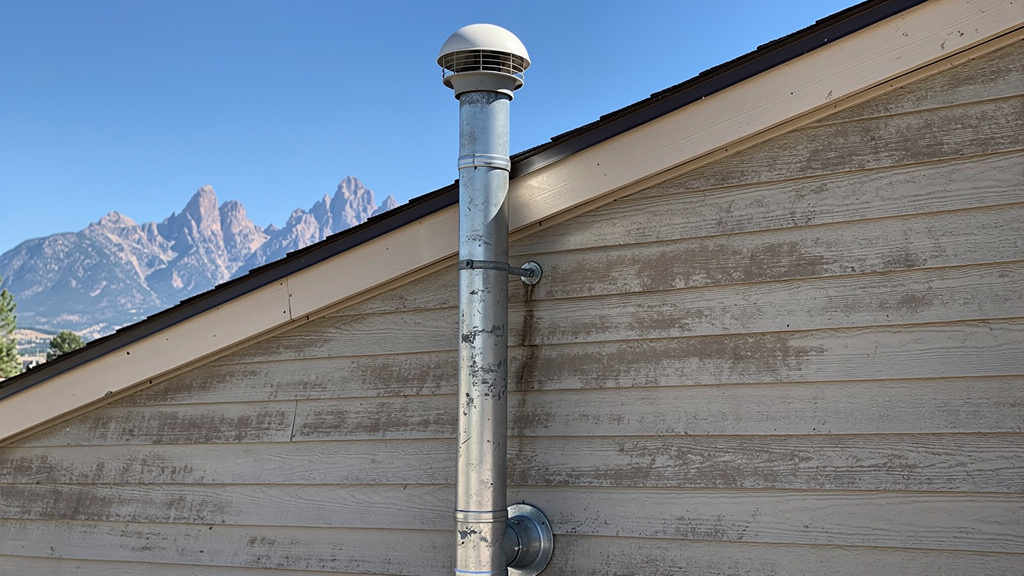
Most residential mitigation jobs in the Denver metro fall between $800 and $2,500, with an average closer to $1,200–$1,300 for a standard installation. The most common approach is sub-slab depressurization — a PVC pipe runs through the foundation slab and connects to a fan that draws radon from beneath the home before it can enter the living space.
Colorado estimates statewide mitigation costs between $1,000 and $3,000 for most homes. Electrical work to power the system fan adds roughly $300–$400 in some cases. Annual maintenance — fan inspection, U-tube pressure check — typically runs under $150 or nothing at all if the system is running cleanly.
Low-income Denver households may qualify for the Colorado Low Income Radon Mitigation Assistance Program, which provides up to $1,500 toward installation costs for owner-occupied homes meeting income guidelines.
—
How Do Radon Test Results Compare to Recommended Actions?
| Radon Level (pCi/L) | Risk Category | Recommended Action | Typical Timeline |
|---|---|---|---|
| Below 2.0 | Low | No action needed | N/A |
| 2.0–4.0 | Moderate | Consider mitigation | Within 2 years |
| 4.0–8.0 | Elevated | Mitigation recommended | Within 2 years |
| 8.0–20.0 | High | Mitigation required | Within months |
| Above 20.0 | Very high | Immediate action | Within weeks |
—
When Should You Call a Professional Instead of Testing Yourself?
DIY tests are a reliable first step for most Denver homes, but there are situations where a certified professional is the right call from the start.
If you’re buying or selling a home, Colorado now requires radon disclosure in real estate transactions as of August 2023. A professional test carries more weight in those negotiations than a DIY kit. If your initial test comes back above 4.0 pCi/L, a pro can confirm results and move directly into system design without delay.
Homes with unusual construction — multiple sub-slabs, crawl spaces, heavily compartmentalized basements — need professional assessment to ensure the mitigation system is designed correctly. Improper installation on complex foundations can create pressure imbalances that make radon levels worse, not better.
Colorado requires radon mitigation professionals to be licensed through the Colorado Department of Regulatory Agencies (DORA) and to carry professional liability insurance. Verify that before anyone starts work.
—
What Should Denver Homeowners Do Next?
Start by purchasing an EPA-approved short-term charcoal canister test from a local hardware store or ordering one online. Place it in the lowest livable level of your home, follow closed-house conditions, and mail it to the lab within the specified window.
If results come back between 2.0 and 4.0 pCi/L, run a long-term follow-up test before deciding on mitigation. If results are at 4.0 pCi/L or above, contact a DORA-licensed mitigation contractor to schedule an assessment — most Denver-area contractors can schedule within a few business days, and installation typically takes four to eight hours for a standard home.
Keep records of every test result. You’ll need them for real estate disclosures, and they provide a baseline if you install a mitigation system and want to confirm it’s working.
—
FAQ
Q: Is radon a problem in newer Denver homes?
Yes. New construction can actually concentrate radon more effectively than older homes with natural air leaks. Construction type matters more than age — test regardless.
Q: How long does radon mitigation installation take?
Most standard residential installs in Denver take four to eight hours. A certified contractor typically schedules the job within a few business days of assessment.
Q: Can I test for radon myself or do I need a professional?
DIY charcoal canister kits are EPA-approved and cost $15–$40. They’re reliable for initial screening. Use a professional for real estate transactions or results above 4.0 pCi/L.
Q: Do Denver condos and townhomes need radon testing?
Ground-floor and basement units do. Upper-floor units generally show lower levels, but any unit in contact with soil or a shared slab foundation should be tested.
Q: How often should I retest my Denver home?
Every two years if no mitigation system is installed. After system installation, retest within 24 hours of completion, then annually to confirm performance.
—
Sources
- U.S. Environmental Protection Agency: Radon action levels, Zone 1 designation, and testing guidelines
- Colorado Department of Public Health and Environment: Radon FAQ, mitigation guidelines, and Low Income Radon Mitigation Assistance Program
- Colorado Geological Survey: Uranium-bearing geology and radon occurrence in Colorado
- Colorado Environmental Public Health Tracking: Statewide radon statistics and real estate disclosure requirements
—
RadonSweep connects Denver homeowners with certified radon professionals who know Colorado’s soil conditions, building codes, and seasonal testing patterns. If your home hasn’t been tested — or if your last test came back elevated — their network can help you understand your next step without the guesswork.