Is Radon Worse in Basements or Crawl Spaces in Denver?
Radon is typically worse in basements than crawl spaces because basements are closer to the uranium-rich soil source and create stronger pressure differentials that draw radon into living spaces.
Why Foundation Type Matters in Denver
Denver sits on uranium-bearing granite deposits that naturally produce radon gas, making foundation design critical for indoor air quality (Source: Colorado Department of Public Health and Environment). About half the homes in Colorado have radon levels higher than the EPA recommended action level of 4 pCi/L, with Denver metro area falling within the high-risk zone (Source: Colorado Department of Public Health and Environment).
The Rocky Mountains’ uranium-rich soils create unique challenges for Denver homeowners. Your home’s foundation type determines how radon enters and concentrates inside. Radon is most often concentrated in basements because they are closer to the source, while crawl spaces present different entry patterns and mitigation challenges (Source: Airthings).
Colorado’s designation as EPA Zone 1 means high potential for radon levels exceeding 4.0 pCi/L regardless of foundation type, but the concentration patterns differ significantly between basements and crawl spaces (Source: Jefferson County).
How Does Radon Enter Different Foundation Types?
Radon enters through multiple pathways including spaces between basement walls and slabs, cracks in foundations, openings around sump pumps and drains, construction joints, and crawl spaces (Source: Colorado Department of Public Health and Environment).
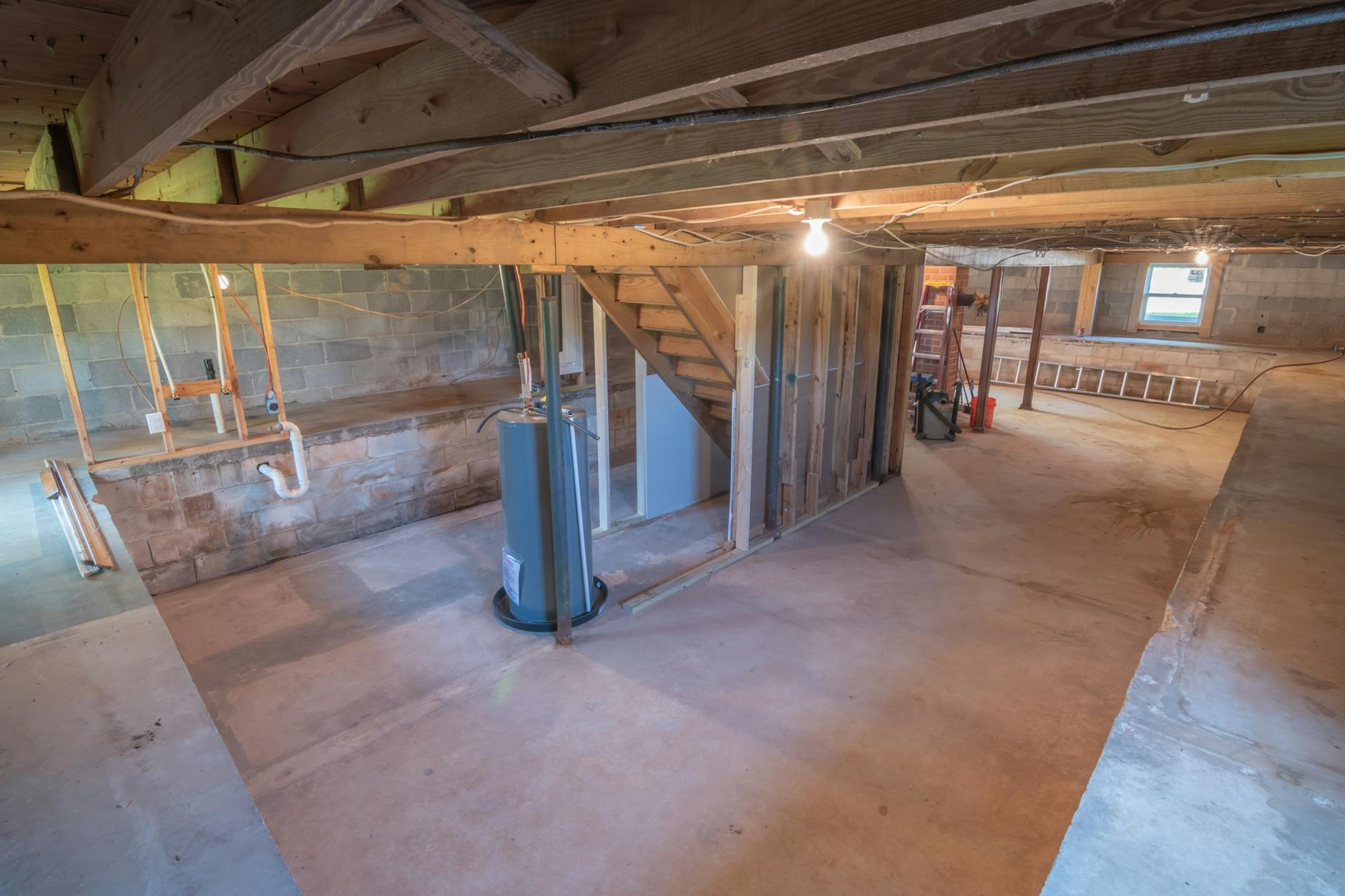
In basements, radon seeps directly through concrete slabs and foundation walls. The lower elevation creates negative pressure that actively draws soil gas upward. Denver’s clay-rich soils around basement walls can trap radon, creating higher concentrations near foundation contact points.
Crawl spaces allow radon to enter through exposed soil, but the gas often dissipates through ventilation before reaching dangerous levels. However, poorly sealed or encapsulated crawl spaces can channel radon directly into living areas through floor penetrations and HVAC systems.
The key difference is containment. Basements trap radon in enclosed spaces where people spend significant time, while crawl spaces typically allow more natural ventilation that reduces concentration levels.
Which Foundation Shows Higher Radon Readings?
Basements consistently show higher radon readings than crawl spaces in Denver area testing, often measuring 2-5 times higher concentrations in comparable soil conditions.
EPA testing guidelines specify placing test kits in the lowest occupied level, typically basements, because these areas show the highest potential exposure (Source: Colorado Department of Public Health and Environment). Crawl spaces aren’t recommended for testing placement because they don’t represent breathing zone exposure levels.
Professional testing in the Denver area costs $100-$250, with basement tests often revealing levels above 4.0 pCi/L while adjacent crawl spaces may read below 2.0 pCi/L (Source: Colorado Discount Radon Pros). This difference occurs because basements create confined spaces with limited air exchange, allowing radon to accumulate.
However, homes with both foundation types require comprehensive evaluation. Radon can move from crawl spaces into upper floors through plumbing penetrations, electrical chases, and HVAC systems, creating elevated readings in living areas above.
How Much Does Mitigation Cost for Each Foundation Type?
Standard basement mitigation systems cost $1,400-$1,800 in Denver, while crawlspace systems with encapsulation range from $1,900-$2,800+ based on size and access (Source: Martens Radon).
Basement mitigation uses sub-slab depressurization, the most effective solution recommended by Colorado health officials (Source: Colorado Department of Public Health and Environment). This system involves installing a pipe through the foundation slab with a fan that draws radon from beneath the home before it enters.
Crawl space mitigation requires sub-membrane depressurization plus additional sealing work. Homes with crawl spaces often face higher mitigation costs and can be more challenging to treat effectively (Source: Absolute Radon Safety). Larger crawl spaces require additional materials and labor, increasing costs toward $2,000+ (Source: Colorado Discount Radon Pros).
Complex homes with multiple foundation zones can cost $3,000-$5,000 for complete mitigation, especially when crawl spaces are involved (Source: Colorado Discount Radon Pros). Colorado’s Low-Income Radon Mitigation Assistance program can cover up to 100% of installation costs for qualifying homeowners (Source: Custom Radon Denver).
What Mitigation Method Works Best for Each Foundation?
| Foundation Type | Mitigation Method | Average Cost | Complexity Level |
|---|---|---|---|
| Full Basement | Sub-slab depressurization | $1,400-$1,800 | Standard |
| Partial Basement | Sub-slab + sealing | $1,600-$2,200 | Moderate |
| Crawl Space Only | Sub-membrane + encapsulation | $1,900-$2,800 | High |
| Mixed Foundation | Multiple systems | $2,500-$5,000 | Very High |
Source: Martens Radon, Colorado Discount Radon Pros
Methods of mitigation differ for basements, crawl spaces, engineered floors, and slab on grade foundations (Source: Jefferson County). Sub-slab systems work well for basements because they address the primary entry point directly below living spaces.
Crawl space mitigation requires comprehensive sealing of soil surfaces with vapor barriers, plus mechanical ventilation to prevent radon accumulation. The additional complexity explains why crawlspace systems typically cost $500-$1,000 more than basement installations.
When to Call a Professional
Contact a licensed radon contractor immediately if basement testing shows levels at 4.0 pCi/L or higher. Don’t assume crawl space homes are automatically safer — they require different testing approaches and can show elevated levels in living areas above.
Warning signs include musty odors from crawl spaces, visible moisture or mold, or HVAC systems that pull air from crawl spaces into living areas. These conditions can transport radon along with other indoor air quality problems.
Professional assessment becomes critical for mixed foundation homes where both basement and crawl space areas exist. These properties often require multiple mitigation approaches and careful system design to address all radon entry pathways effectively.
Get multiple quotes from contractors experienced with your specific foundation type. Verify licensing through Colorado DORA and confirm they carry professional liability insurance for radon work.
What Denver Homeowners Should Do Next
Test your home regardless of foundation type — both basements and crawl spaces can contribute to elevated radon levels in living areas. Use EPA-approved test kits placed in the lowest regularly occupied level, following closed-house conditions for 48 hours.
For crawl space homes, consider testing both in the main living area and basement if present. Document any unusual readings that might indicate radon transport from crawl spaces into occupied areas. This information helps contractors design effective mitigation systems.
Review your foundation type before purchasing testing or mitigation services. Homes with mixed foundations need specialized approaches that address each area appropriately. Understanding radon levels that require mitigation helps determine when professional intervention becomes necessary.
Schedule professional evaluation if initial tests show levels above 2.0 pCi/L in any occupied area. Colorado contractors understand local soil conditions and can recommend the most cost-effective mitigation approach for your specific foundation configuration.
FAQ
Q: Should I test my crawl space directly for radon?
No, EPA recommends testing in occupied living areas, not crawl spaces themselves.
Q: Can crawl space radon affect upper floors?
Yes, radon can move from crawl spaces into living areas through floor openings and HVAC systems.
Q: Do basement apartments need separate radon testing?
Yes, basement living spaces require independent testing since they’re closest to radon sources.
Q: Is encapsulating my crawl space enough to prevent radon?
Encapsulation helps but may require additional ventilation systems if radon levels remain elevated.
Q: Which foundation type is more expensive to mitigate?
Crawl spaces typically cost $500-$1,000 more than basement mitigation due to sealing requirements.
Sources
- Colorado Department of Public Health and Environment: Understanding radon
- Colorado Department of Public Health and Environment: Testing and mitigating your home for radon
- Jefferson County: Radon information and mitigation methods
- Airthings: Radon in Denver information
- Absolute Radon Safety: Radon mitigation system costs in Colorado
- Colorado Discount Radon Pros: Denver radon mitigation costs
- Custom Radon Denver: Colorado radon mitigation assistance programs
- Martens Radon: Denver Metro radon mitigation pricing
RadonSweep connects Denver homeowners with certified radon professionals who understand the unique challenges of different foundation types. Their network includes contractors experienced in both basement and crawl space mitigation systems, ensuring proper design and installation for Colorado’s geological conditions.
Leave a Reply